
Blog
Welcome to Triangle Pediatric Dentistry
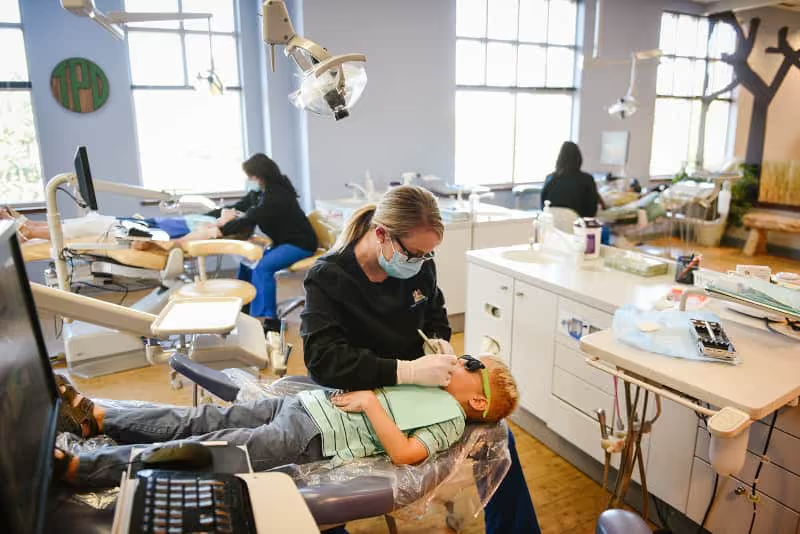
At Triangle Pediatric Dentistry, your child is never just another patient on the schedule. Our practice is led by three pediatric dentists, each of whom has completed advanced training beyond dental school specifically focused on the dental health of infants, children, teenagers, and patients with special health care needs. Dr. Buddy Hollowell earned his Doctorate of Dental Surgery with honors from the UNC School of Dentistry and completed his pediatric training at Virginia Commonwealth University, where he earned a Master of Dental Science degree. He is a recipient of the prestigious Richard C. Pugh Award, placing him in the top 3% of candidates nationwide on the written pediatric dental board exam. Dr. Allen Porter earned his Doctor of Dental Medicine from the Medical University of South Carolina and his Master of Science in pediatric dentistry from VCU, and is a board-certified Diplomate of the American Board of Pediatric Dentistry. Both doctors have published peer-reviewed research in the journal Pediatric Dentistry, and Dr. Porter holds hospital privileges for patients requiring sedation, surgery, or specialized care.
What to Expect at Your First Visit
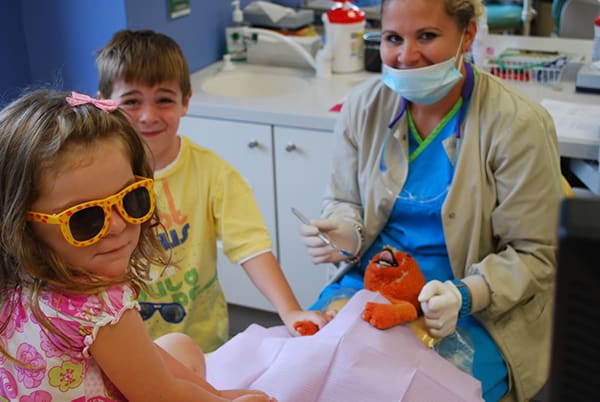
We view your child’s first visit as our first opportunity to show your child how fun and exciting dentistry can be! Our goal is to make your child as comfortable as possible while teaching how to take care of his/her teeth.
Read More
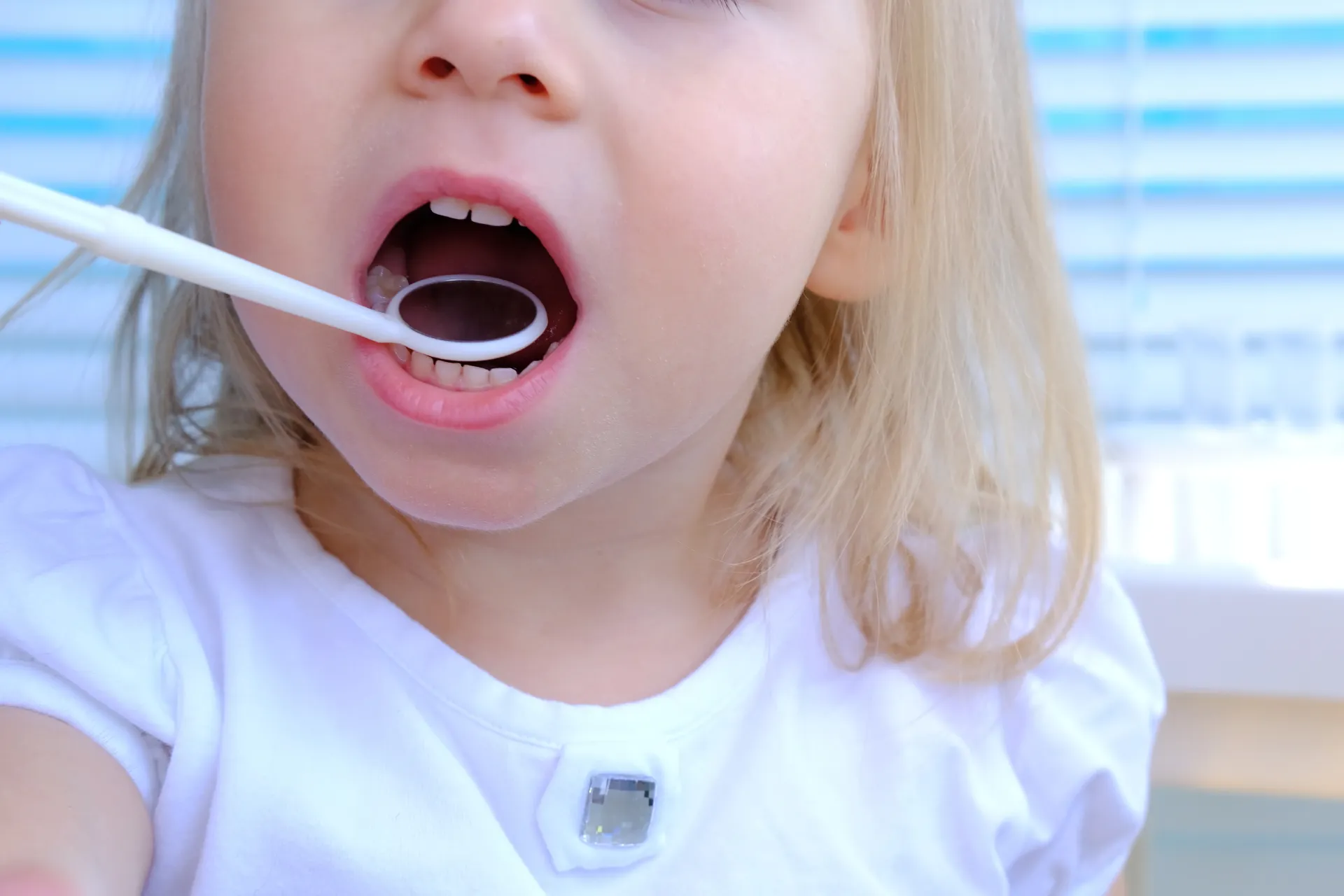
2-Year Molars Explained: Everything Parents Need to Know About Second Molars
Navigating the complex landscape of childhood dental development can be an overwhelming journey for parents, filled with moments of anticipation, concern, and
Read More
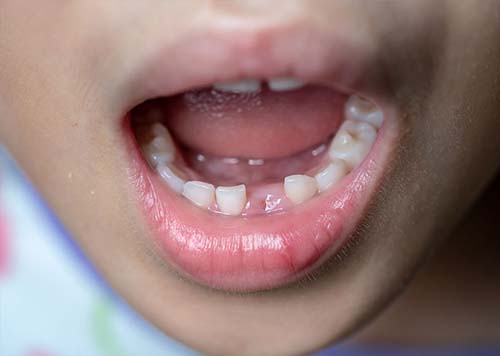
Premature Baby Tooth Loss
One of the main purpose of baby teeth is to act as placeholders for permanent teeth. Sometimes a child might lose their baby teeth too early. When this happens and no corrective measure is taken, it might lead to problems further down the line.
Read More
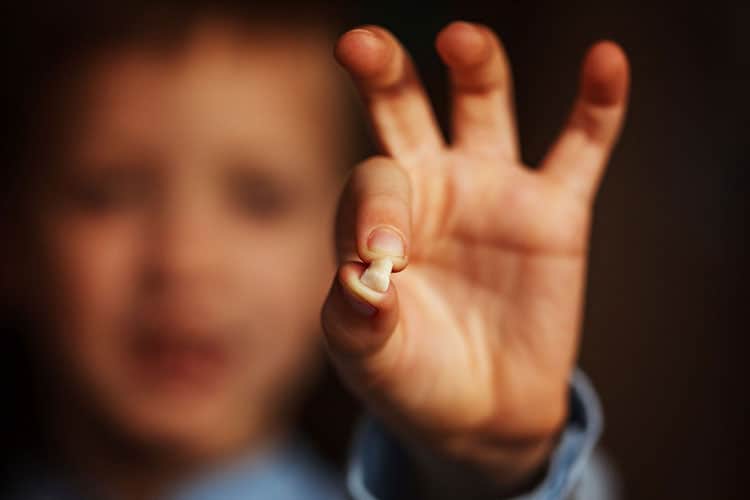
Losing Baby Teeth and The Eruption of 6-Year Molars
Many first-time parents think that just because their child has had an eruption of 2-year molars the baby teething journey is over. However, this couldn’t be further from the truth. Before adulthood, you can expect your child to lose all their baby teeth between the ages of 6 and 12. During this same period, you can expect your child to experience the growth of permanent teeth, that is, 6-year molars, wisdom teeth, and 12-year molars.
Read More

Foods For Healthy Teeth
Children’s Dental Health Month, an awareness campaign sponsored by the American Dental Association every February just came to a close. It was a time to reflect on your family’s dental habits. By taking good care of your kids’ teeth, you’re not just safeguarding their oral health but their overall health. Even though as dentists we encourage parents to have their kids brush and floss their teeth daily, the secret to your child’s oral hygiene might be in their lunchbox!
Read More
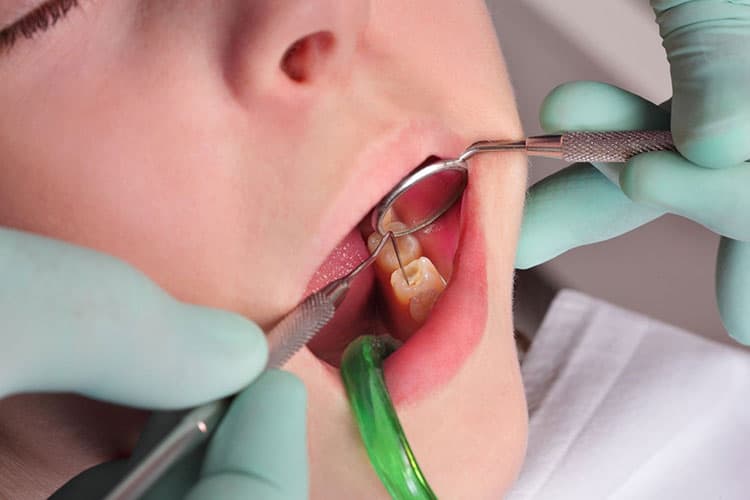
Cavities: Cause and Prevention
Cavities, otherwise known as Dental Caries, are the most common yet most preventable disease that children suffer from in the United States. Ask anyone on the street of how to get rid of them and you’ll hear of how you need to brush your teeth on a daily basis and how you should take a diet that doesn’t undermine your dental hygiene. Even though all of the above is true cavities can also be caused by other circumstances.
Read More
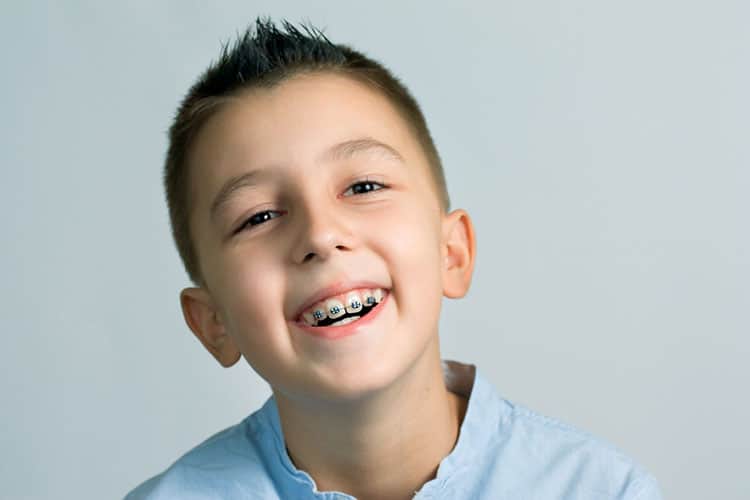
Braces: Understanding The Basics
Kids react to braces in different ways. Some will get excited of the prospect of wearing them as it’s an indicator that their teenage years aren’t far off, while others absolutely hate the thought of it mostly because of what other kids at schools are likely to say about their braces. Here’s a breakdown of everything you need to know about braces and why they’re good for your child despite what they might think of them.
Read More

Baby Teeth: Tips on How To Care of Them
Your bundle of joy has been growing strong since day one and you’re now at that stage when they are cutting their first teeth. It’s an exciting time for you as a parent as well as your infant. Of course, this first set of baby teeth is not permanent, over time they’ll get replaced by permanent teeth. However, the success of your baby’s permanent teeth largely depends on how well you take care of this first set. To ensure that your baby’s teeth get the best care, here are some practical tips.
Read More

Anatomy and Development of the Mouth and Teeth
It’s quite rare for a baby to be born with teeth. In fact, when it happened to this mom it raised quite a few eyebrows. However, you might be surprised to find out that actually your baby’s teeth begin to grow while they are still a fetus. To ensure that your baby’s teeth grow strong and healthy, you as the mother should ensure that you are taking adequate amounts of vitamin C, phosphorous, vitamin D, and calcium.
Read More

The Ins and Outs of Sucking (Thumbs or Pacifiers)
Many parents want to know about the impact of their children sucking on thumbs or pacifiers. For young babies, it is a way to make contact with and learn about the world.
Read More

To Snack or Not to Snack
We all want our children to have healthy teeth, whether their baby teeth are coming in or if they are older and have all of their primary teeth. It is very important to develop a feeding schedule for your child. It is best for small children to have three meals a day as well as a mid-morning and afternoon snack.
Read More

Drinking for Healthier Teeth
While it might be tempting to fill up a cup of juice and let your toddler carry it around all day, resist the urge! When it comes to maintaining the health of each and every primary tooth, juice is one of the worst things for your children to drink.
Read More