
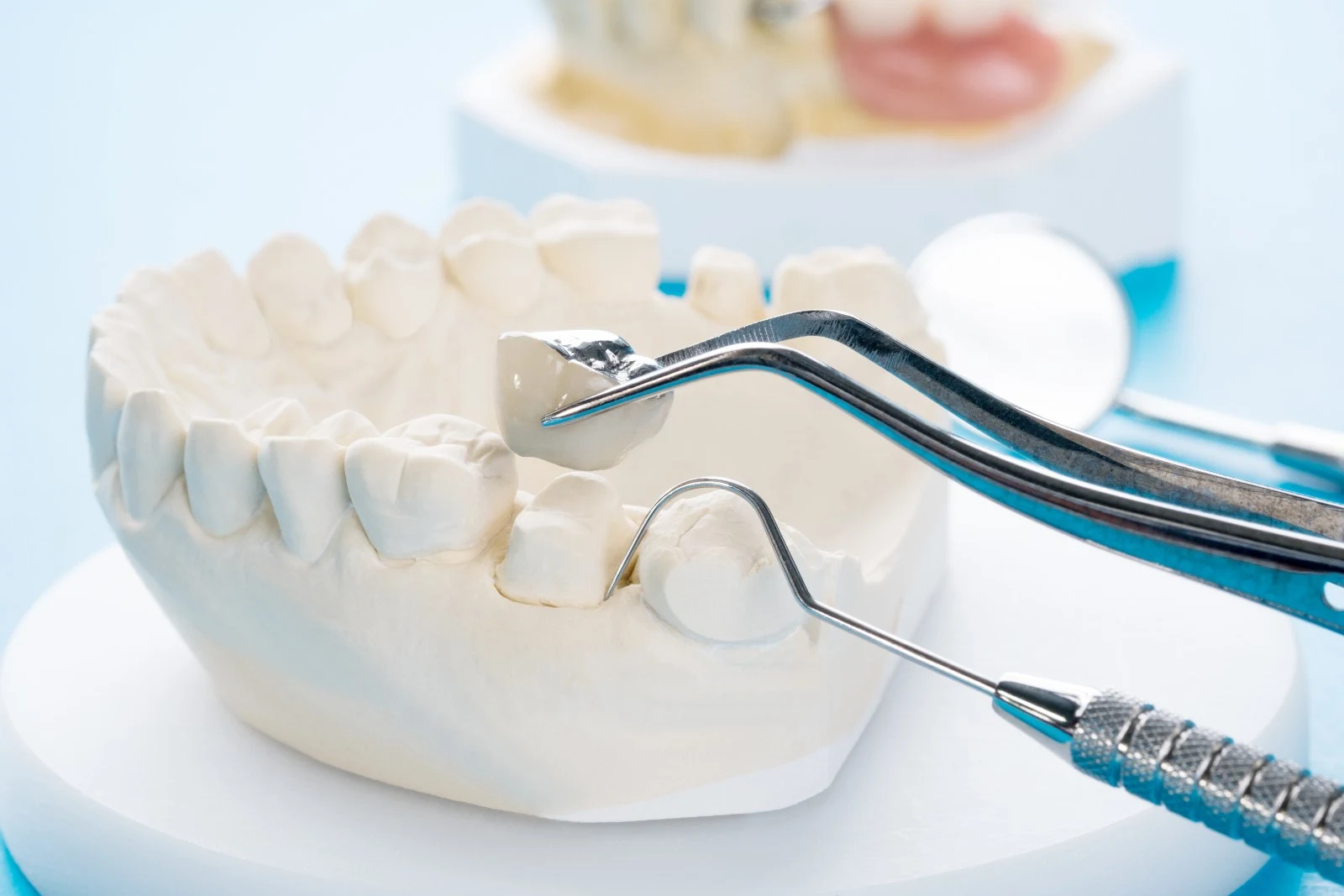
Pediatric Dental CrownsIn Wake Forest
When a child has a tooth that is badly damaged, decayed, or hurting, a crown can help protect their smile and keep their bite developing properly. Our crowns are designed to restore teeth that need more support than a filling can provide, helping your child chew, smile, and grow with greater comfort and confidence.
Why should my child get a dental crown?
A crown may be recommended when a child’s tooth is too damaged or weakened to be repaired with a simple filling. This can happen because of a large cavity, a cracked or broken tooth, or after certain treatments that remove infection from inside the tooth. During treatment, the damaged portion of the tooth is carefully removed, and the crown is placed over the remaining tooth structure for strength and protection. A crown helps restore the tooth’s shape and function, so your child can continue chewing comfortably while the tooth stays protected until it is ready to fall out naturally.
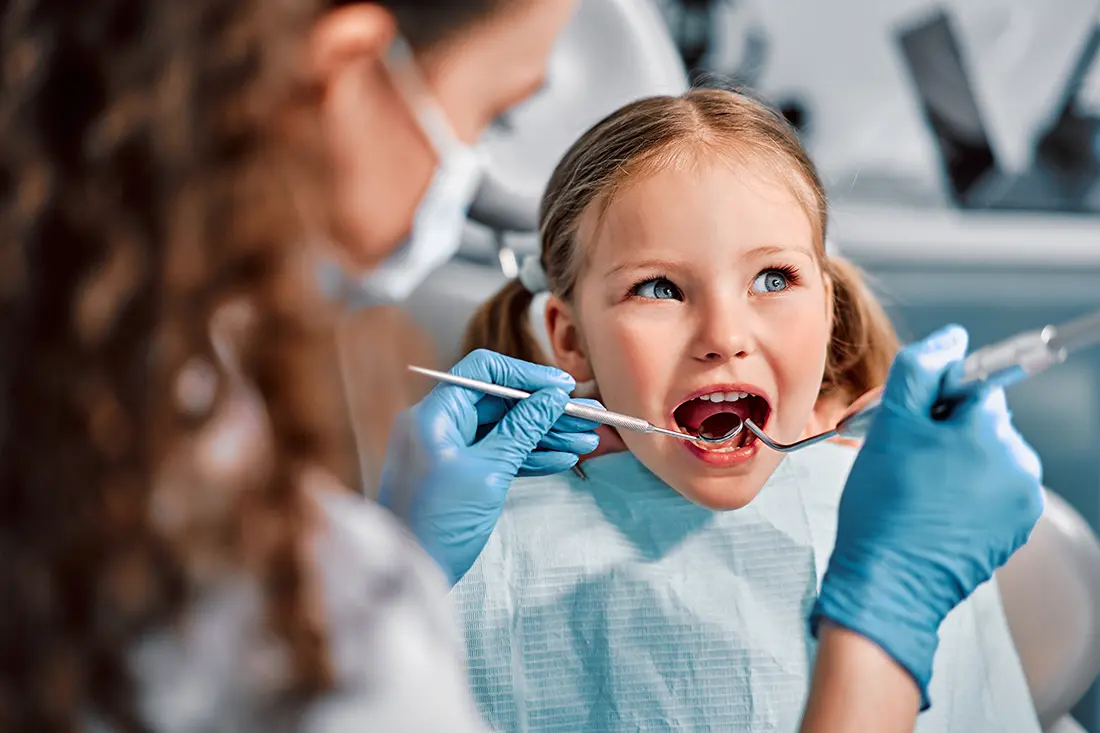
The Benefits of Pediatric Dental Crowns
Protects the Tooth
A crown covers and strengthens the entire visible part of the tooth. This helps protect it from additional damage, especially when the tooth has been weakened by decay, injury, or previous treatment.
Helps Prevent Bigger Problems
When a damaged tooth is left untreated, the problem can continue to worsen and may lead to pain, infection, or the need for more involved care. A crown helps seal and protect the tooth, reducing the risk of future complications.
Supports Healthy Chewing and Bite Development
Baby teeth play an important role in helping children chew, speak, and guide adult teeth into place. A crown can help preserve the tooth’s function until it naturally falls out, supporting your child’s smile as they grow.
The Pediatric Dental Crown Treatment Process
Tooth Numbing & Preparation
First, we’ll take a close look at your child’s tooth and review what type of crown is best for their needs. Before treatment begins, we’ll make sure your child is comfortable and gently numb the area around the tooth. Then, we’ll remove the damaged or decayed part of the tooth and shape the remaining structure so the crown can fit securely.

Choosing the Right Crown
Children’s crowns are often made from stainless steel or tooth-colored zirconia, depending on the tooth’s location, the amount of support needed, and what will work best for your child’s smile. Stainless steel crowns are commonly used for back teeth because they are strong and durable, while tooth-colored crowns may be recommended for teeth that show more when your child smiles.

Placing and Checking the Crown
Once the crown is selected, we’ll carefully place it over the tooth and secure it in position. Before your child leaves, we’ll check their bite to make sure the crown feels comfortable and fits properly. The goal is to protect the tooth, restore function, and help your child get back to eating, speaking, and smiling with confidence.
What makes us different
.webp)
Board-Certified Pediatric Dentists
Rest assured that your child is receiving top-notch, specialized care with our Board-Certified Pediatric Dentists. To be recognized by The American Board of Pediatric Dentistry, doctors must undergo extensive training in the pediatric field in addition to their standard dental degrees.
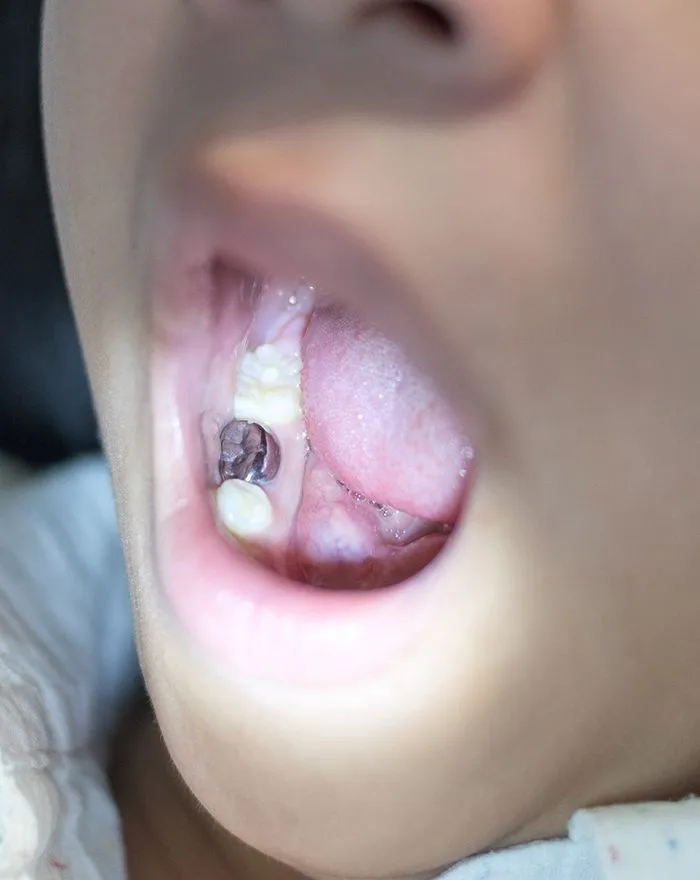
Stainless Steel Crowns
Extremely durable and affordable, stainless steel crowns are excellent for restoring rear baby teeth, as they’re able to hold up to the wear and tear of chewing. Because of their silver color, they are ideal for rear teeth that don’t show when your little one smiles, as well as for baby teeth that are destined to be replaced with permanent ones.
FAQs
Frequently Asked Questions
Check out these frequently asked questions, or call us to speak with our team.
A filling may be enough when a cavity is small or moderate. However, if too much of the tooth has been weakened by decay, injury, or infection, a filling may not provide enough strength or protection. A crown covers the entire visible part of the tooth, helping protect it from further damage and allowing your child to chew comfortably.
Crowns can be used on baby teeth or adult teeth, depending on your child’s needs. For baby teeth, crowns are often used to protect the tooth until it is ready to fall out naturally. Keeping baby teeth healthy matters because they help with chewing, speech development, and holding space for adult teeth.
In many cases, a crown for a child can be placed in one visit. This is especially common with stainless steel crowns, which are selected, fitted, and secured during the appointment. If a more customized crown is needed, the process may involve additional steps, and we’ll walk you through what to expect before treatment begins.