
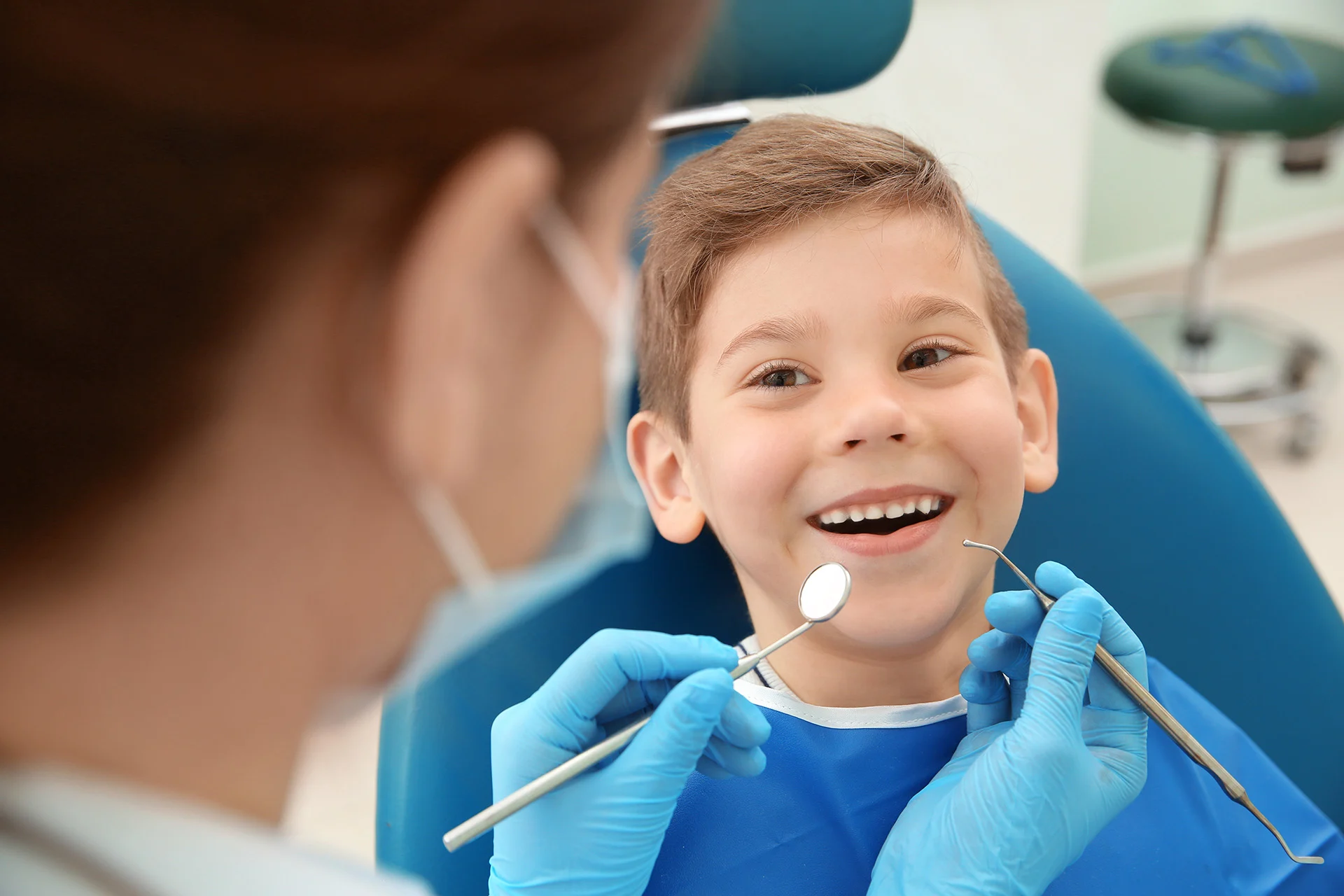
Why should my child get a dental filling?
A dental filling may be recommended if your child has a cavity, which is a small hole in the tooth caused by bacteria, plaque, sugars, starches, and acid. Because baby teeth are smaller than permanent teeth, cavities can grow quickly and may lead to pain, infection, or early tooth loss if they are not treated. Fillings help restore the damaged area of the tooth, protect the remaining tooth structure, and prevent decay from spreading further. Treating cavities early can also help your child avoid more extensive dental treatment later and keep their smile healthy, comfortable, and on track as they grow.
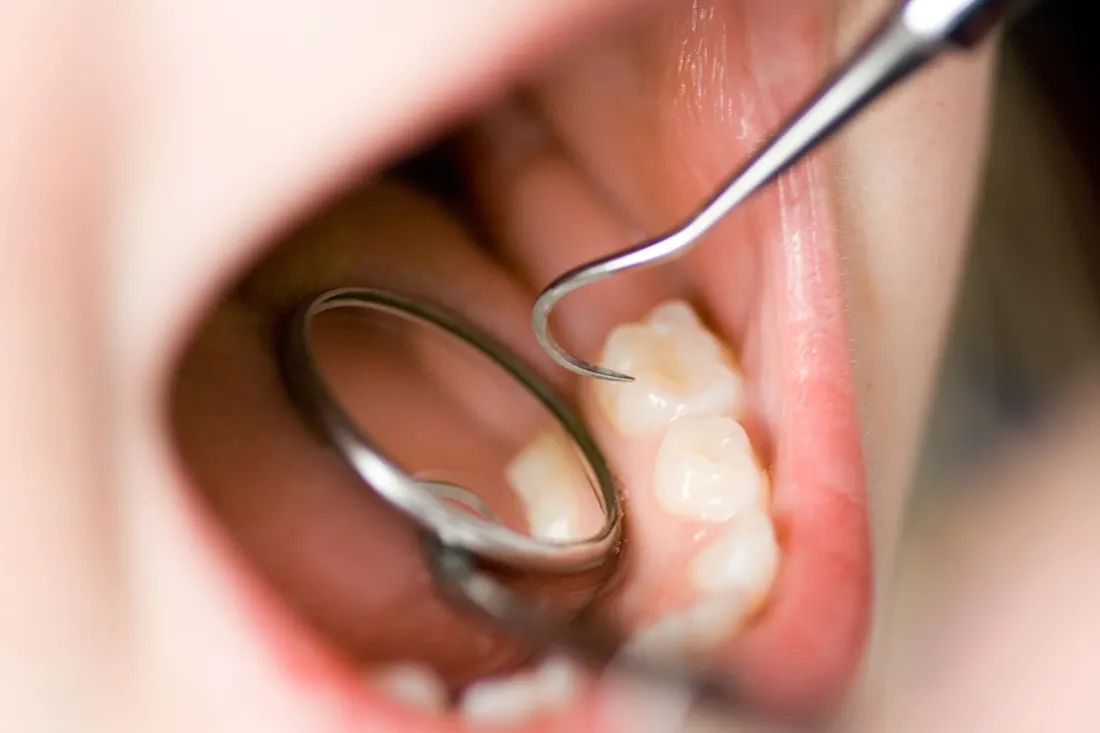
The Benefits of Dental Fillings For Kids
Eliminate Pain & Discomfort
Small cavities can cause tooth sensitivity and tenderness to heat, cold, and the pressure of chewing. And bigger cavities could even cause a serious toothache. With a filling, you can eliminate your child’s pain and discomfort.
Prevent Tooth Loss
If it’s left untreated, a cavity will only get worse. Eventually, this may lead to a tooth infection. Without proper treatment, the infection may cause the tooth to fall out, or require extraction from a dentist. With a filling, your child won’t be at risk of losing a baby or adult tooth.
Affordable Treatment
Pediatric dental fillings are simple and affordable, and are covered by dental insurance. This makes them a budget-friendly option. This is especially true compared to more invasive treatments like root canals, which may be needed if your child doesn’t get a filling to treat their cavity.
The Dental Filling Treatment Process

Initial Consultation
First, your child’s pediatric dentist will examine their mouth for signs of cavities. This may take place at a routine six-month visit, or whenever you bring your child into our office and suspect they have a cavity. If your child is complaining of pain, discomfort, or tenderness in one of their teeth, consider bringing them in for a checkup.
Tooth Preparation
After your child’s pediatric dentist confirms their cavity, you’ll schedule a follow-up appointment. At this appointment, your child’s dentist will clean and numb their mouth. Then, they will use a dental drill to gently remove any damaged or decayed enamel from their tooth.
Filling Placement
Once your child’s tooth has been prepared, their dentist will fill their tooth using a special type of tooth-colored composite resin. This resin is soft when it’s applied to the tooth. Then, your child’s dentist will sculpt, harden, and shape the resin to fill the tooth. As the final step, your child’s dentist will check the fit of the filling and make any necessary adjustments. Then, you and your little one will be sent home.
What makes us different
.webp)
Board-Certified Pediatric Dentists
Rest assured that your child is receiving top-notch, specialized care with our Board-Certified Pediatric Dentists. To be recognized by The American Board of Pediatric Dentistry, doctors must undergo extensive training in the pediatric field in addition to their standard dental degrees.
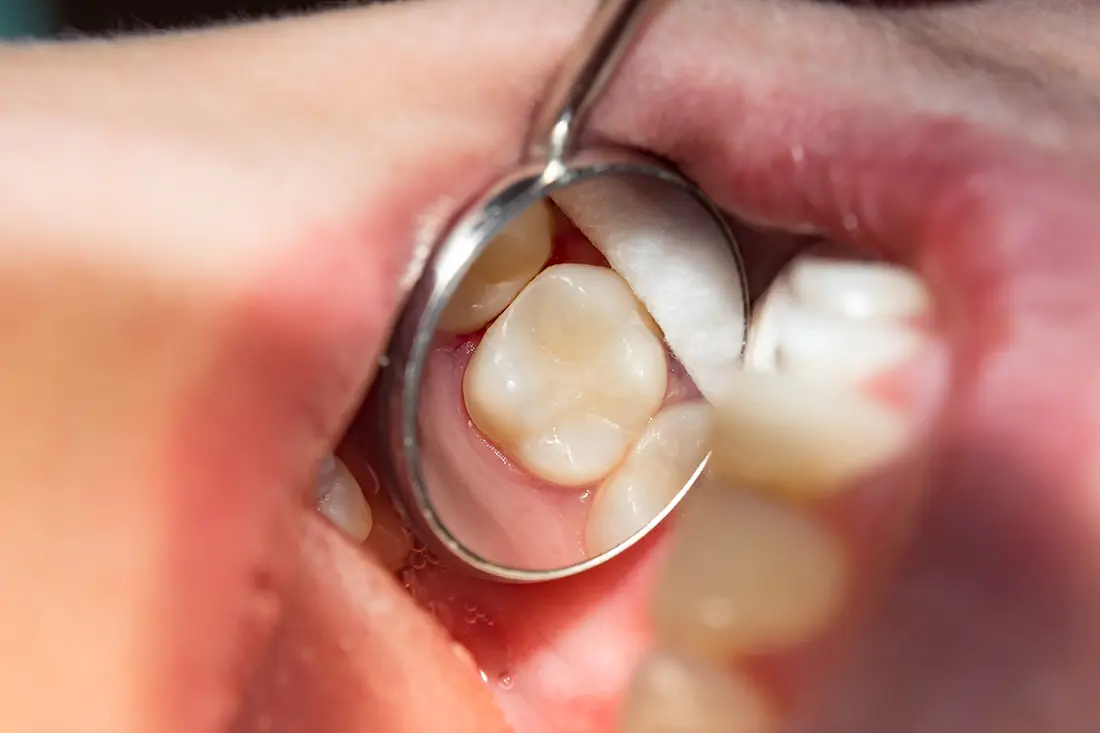
Tooth-Colored Fillings
Composite fillings are matched to the color of your child’s tooth so it can blend in with the rest of their smile. Very little enamel is removed when adding a composite filling, which allows your child’s tooth to stay healthy and strong.
FAQs
Frequently Asked Questions
Check out these frequently asked questions, or call us to speak with our team.
Cavities happen when bacteria in the mouth collect on the teeth and form plaque. When your child eats or drinks foods that contain sugar or starch, those bacteria use it as fuel and produce acid. That acid can weaken the enamel, which is the hard outer layer of the tooth. Saliva naturally helps protect the teeth, but when teeth are exposed to acid too often or for too long, the minerals in the enamel can break down and eventually create a small hole in the tooth. That hole is what we call a cavity.
Yes, baby teeth can absolutely get cavities. In fact, because baby teeth are smaller than permanent teeth, decay can spread more quickly and become a bigger problem faster than many parents expect. If a cavity is left untreated, it can cause pain, sensitivity, infection in the gums or jaw, and may even lead to the tooth needing to be removed early. Baby teeth also help your child chew, speak, and hold space for their permanent teeth, so keeping them healthy matters.
Baby bottle cavities, also called Early Childhood Caries, are cavities that can develop quickly in infants and toddlers. They often start on the upper front teeth and may spread to the back teeth if not treated. These cavities are commonly linked to frequent sipping on sugary liquids like juice, soda, sweet tea, milk, or breast milk, especially when a child goes to sleep with a bottle or sippy cup. Saliva flow slows down at night, which means the mouth has less natural protection while your child sleeps. That is why bedtime bottles or cups with anything other than water can be especially risky for young teeth.
Children often get cavities in two main areas: the deep grooves and pits of the back teeth and the spaces between teeth that touch. The grooves on molars can be very difficult to clean because toothbrush bristles may not reach all the way into them. That is why dental sealants can be helpful for protecting those chewing surfaces. Cavities can also form between teeth, where a toothbrush cannot clean well on its own. Once your child’s teeth touch, flossing becomes an important part of removing plaque and food from those tight spaces.
The good news is that cavities are very preventable with consistent habits. Brushing, flossing, routine dental visits, fluoride, and sealants when recommended can all help protect your child’s teeth. Diet also plays a big role. Limiting frequent snacking and avoiding repeated sipping on sugary drinks like juice, soda, sports drinks, or sweet tea can reduce the amount of time acid is sitting on your child’s teeth. It is especially important for infants and toddlers not to go to bed with a bottle or sippy cup containing anything other than water. Starting dental visits early also helps us monitor your child’s cavity risk and make sure you have the right tools to keep their smile healthy.