
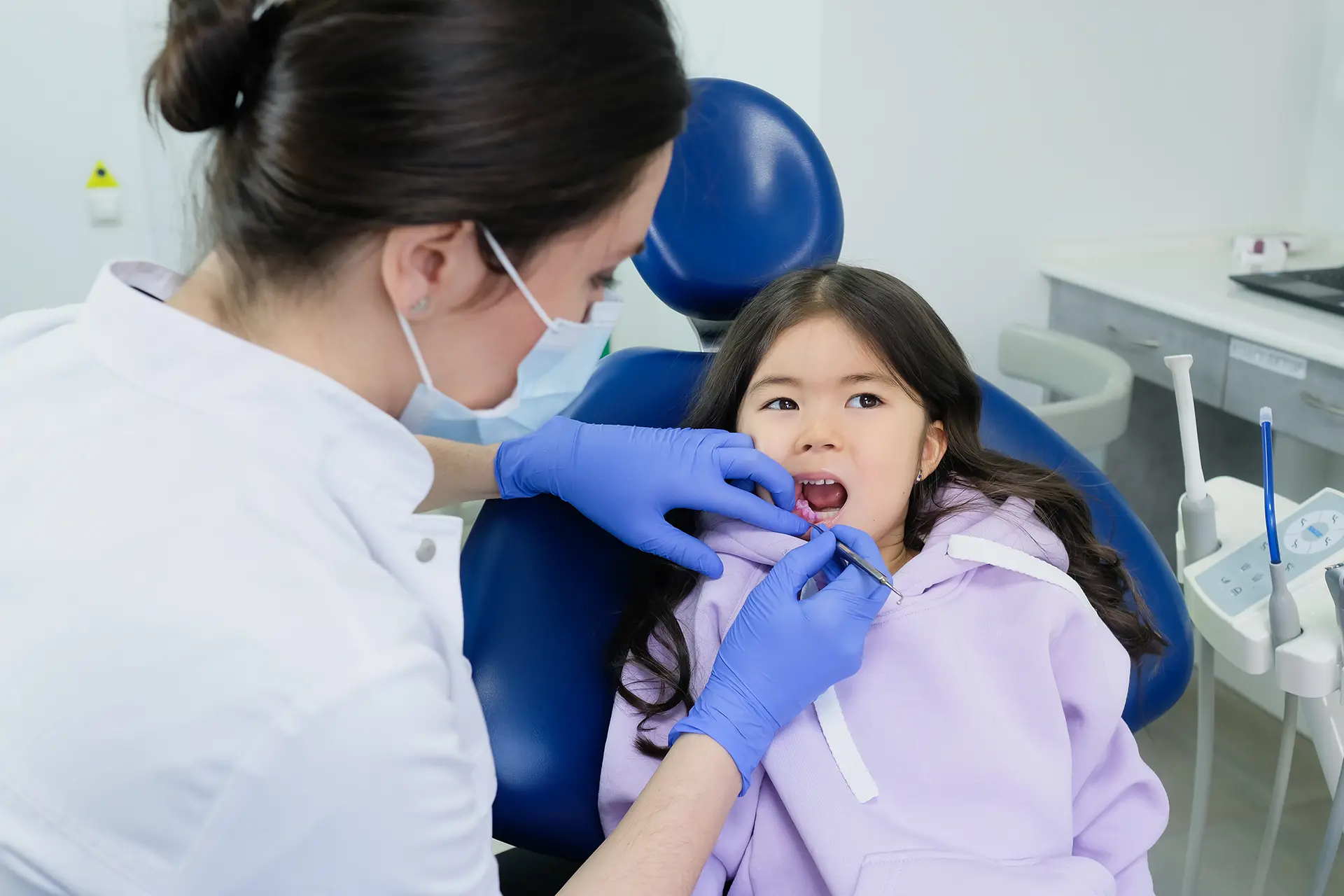
Pediatric Dental EmergenciesIn Wake Forest
When your little one is in pain from a dental problem, every moment counts. Call us right away so we can help your child feel better with gentle, quick care. Not sure if what's happening is truly an emergency? Keep reading to learn what parents need to know.
What should I do if my child is facing a dental emergency?
Getting emergency dental care quickly helps your child stop hurting. Toothaches, broken teeth, and other dental problems can make it hard for them to focus in school, enjoy playtime, or even sleep well. Our gentle care helps them feel better fast so they can get back to being kids. Quick treatment also prevents bigger problems later, which saves you worry, time, and money. Most importantly, you'll have peace of mind knowing your child's smile is taken care of.
The Benefits of Immediate Emergency Dental Care
Stops Pain Quickly
A broken tooth, lost filling, or bad toothache hurts—and for kids, that pain feels even worse. Once we take care of the problem, your child can get back to learning, playing, and smiling happily.
Prevents Bigger Problems
With dental issues, waiting makes things worse. Getting help right away means simpler treatments, faster healing, and better outcomes for your child.
Saves Time and Money
Fixing a cracked tooth right away costs much less than waiting until it needs to be removed and replaced. When you bring your child in at the first sign of trouble, you'll save yourself time, money, and stress.
The Emergency Dentistry Treatment Process

Call Our Office Right Away
As soon as you notice something's wrong with your child's tooth, give us a call. We'll ask about what's happening, schedule you for the earliest possible appointment, and give you tips on how to keep your child comfortable until you arrive.

Kid-Friendly Emergency Exam
When you get to our office, our gentle dentist will carefully check your child's mouth. We'll find out exactly what's causing the problem and explain the best way to fix it in terms both you and your child can understand.
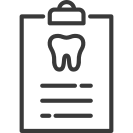
Treating Your Child’s Condition
Every child and every emergency is different. Depending on what your child needs, we might fix a cavity, repair a broken tooth, help a wobbly tooth, or address an infection. Whatever the problem, we'll focus on getting your child feeling better as quickly and comfortably as possible.
What makes us different
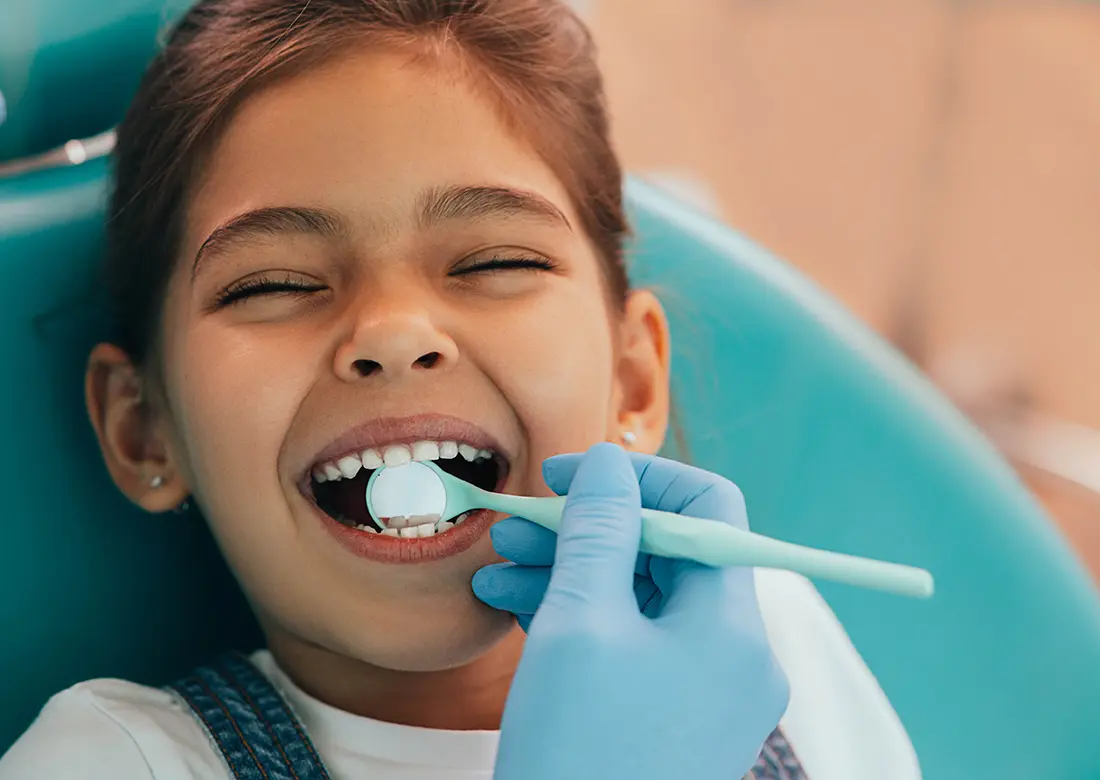
Same-Day Appointments
During a dental emergency, things can change in an instant. That’s why we offer same-day care to ensure your child gets immediate attention when they need it most.
After Hours Appointments
Dental emergencies don’t always strike during regular business hours. That’s why we offer after hours appointments so your child can get the care they need, when they need it most.
Problem-Focused Exams
When issues arise, our team can perform problem-focused exams (also known as limited exams) to help address the issues. Limited exams allow us to focus on what’s hurting or injured so we can get your kiddo out of pain fast.
FAQs
Frequently Asked Questions
Check out these frequently asked questions, or call us to speak with our team.
If your child has a dental emergency, call your pediatric dentist immediately for specialized instruction on how to handle the injury. If you suspect that your child has a head or neck injury related to trauma, contact the Emergency Room immediately. If you are a patient of record at our office, please call us. If the emergency or trauma occurs after hours, you will be directed to a number to reach the on-call doctor. We have an on-call doctor available at all times.
Rinse any dirt from the injured area with warm water. Place a cold compress on the lip if it was also injured. Locate and save any broken tooth fragments. Place the fragment in cold milk or saliva and take it with you to the dental office. In many cases, the dentist may be able to bond the fragment back onto the tooth. Contact our office immediately, as quick action can save the tooth, prevent infection, and reduce the need for extensive dental treatment. Fractures to permanent teeth are much more serious than fractures to primary teeth, but call us right away if a primary tooth is fractured as well.
Find the tooth and handle it by the top, or crown, not the root. Rinse the tooth gently in cold water, but do not handle or clean the tooth unnecessarily. Try to reinsert the tooth back into its socket and have your child hold it in place by biting on clean gauze or a clean cloth. If you cannot put the tooth back in the socket, or if you are unsure whether it is a primary or permanent tooth, place it in a clean container with cold milk or saliva. Call our office immediately. Time is of the essence, and the faster you act, the better the chances of saving the tooth.
Contact our office as soon as possible. Do not try to put the baby tooth back in, because doing so could damage the developing permanent tooth.
Rinse the mouth with warm water and use dental floss to dislodge any trapped food or debris. Give Tylenol or Motrin, also known as ibuprofen, as directed to ease symptoms. Do not place aspirin on the gum or aching tooth. If the face is swollen, apply a cold compress or ice wrapped in a cloth. Call our office for further instructions.
Try to reposition the tooth back where it was as soon as possible. Call our office immediately.
Your child may need immediate medical attention. A severe head injury can be life-threatening. If you fear a broken jaw, keep the jaws from moving by using a towel, necktie, or handkerchief. Keep in mind that an emergency medical team may be able to reach you faster than you can get to the hospital.
Apply ice to the bruised areas. If there is bleeding, apply firm but gentle pressure with clean gauze or a clean cloth. If the bleeding does not stop after 15 minutes, or if it cannot be controlled by simple pressure, call our office or take your child to a hospital emergency room.
Bleeding after a baby tooth falls out is completely normal. Place clean gauze or a clean cloth over the bleeding area and apply pressure for 15 minutes. Repeat once more if needed. If bleeding still persists, call our office.