
Blog
Welcome to Triangle Pediatric Dentistry
At Triangle Pediatric Dentistry, your child is never just another patient on the schedule. Our practice is led by three pediatric dentists, each of whom has completed advanced training beyond dental school specifically focused on the dental health of infants, children, teenagers, and patients with special health care needs. Dr. Buddy Hollowell earned his Doctorate of Dental Surgery with honors from the UNC School of Dentistry and completed his pediatric training at Virginia Commonwealth University, where he earned a Master of Dental Science degree. He is a recipient of the prestigious Richard C. Pugh Award, placing him in the top 3% of candidates nationwide on the written pediatric dental board exam. Dr. Allen Porter earned his Doctor of Dental Medicine from the Medical University of South Carolina and his Master of Science in pediatric dentistry from VCU, and is a board-certified Diplomate of the American Board of Pediatric Dentistry. Both doctors have published peer-reviewed research in the journal Pediatric Dentistry, and Dr. Porter holds hospital privileges for patients requiring sedation, surgery, or specialized care.
The Effects of Cough Syrup on Your Children’s Teeth
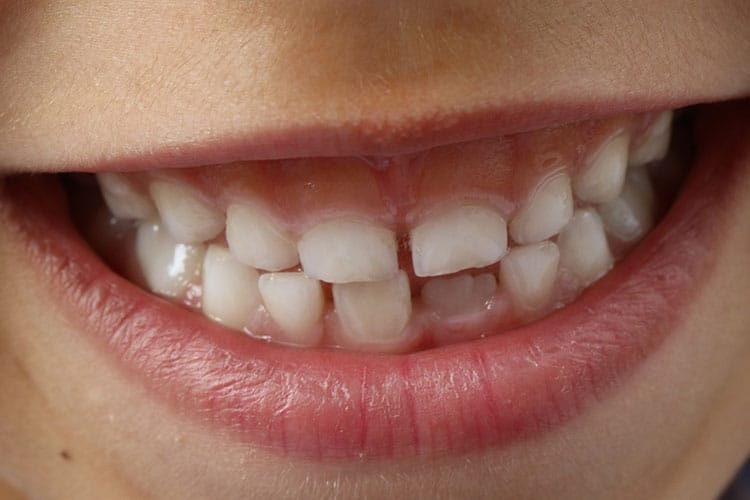
When your child is suffering from a cough, it’s likely that you resort to over-the-counter cough syrup to ease their symptoms. While this may seem like a good idea, it can actually lead to tooth decay. Let’s take a closer look at why.Most cough syrups contain citric acid and high fructose corn syrup which can lead to tooth decay when the bacteria in your child’s mouth feeds on sugars, breaks down, and forms acids that wear down their enamel. Additionally, some cough syrups are full of alcohol which can trigger dry mouth. When a child experiences dry mouth, they may not have the saliva they need to wash away sugars and acids from their teeth, increasing their risk of developing tooth decay.
Read More
Strengthening Toddler Teeth
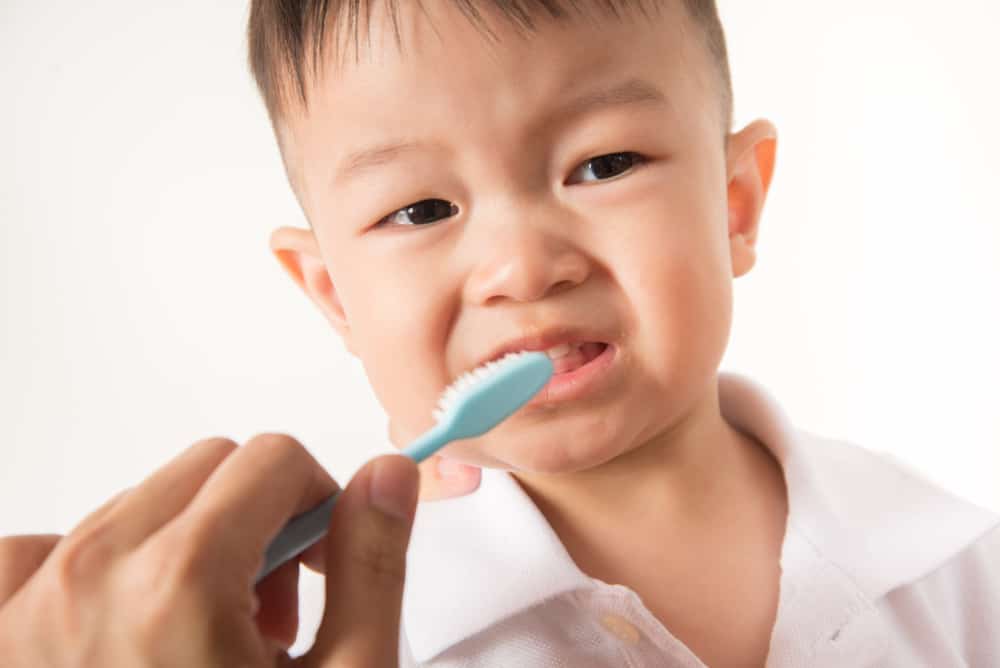
Maintaining good oral health with toddlers can be challenging, but thankfully there’s plenty of preventative measures and strengthening habits that can help with that! Toddler’s teeth can be extremely susceptible to cavities or tooth decay because the sugary foods they eat, how they brush their teeth, and the sensitivity of their baby teeth.
Read More
How Do I Know if My Teeth are Impacted
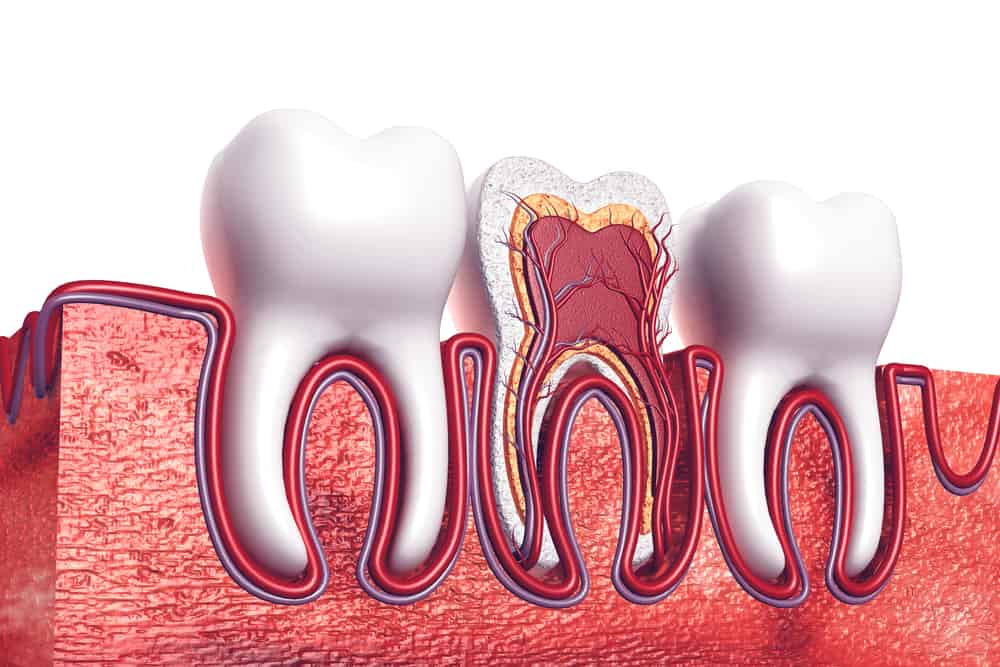
Impacted Teeth. That’s not necessarily something you want your Dentist to say after looking at a couple shots of your x-rays.
Read More
When Do Baby Teeth Get Roots?
If you’ve examined your child’s baby tooth, you may be wondering why you do not see any roots. The reality is that since baby teeth roots dissolve when permanent teeth grow, the roots of baby teeth will never be visible. Let’s dive deeper into when children start to get baby teeth and when they lose them.
Read More
What Dental Options Do I Have for My Child With Special Needs?
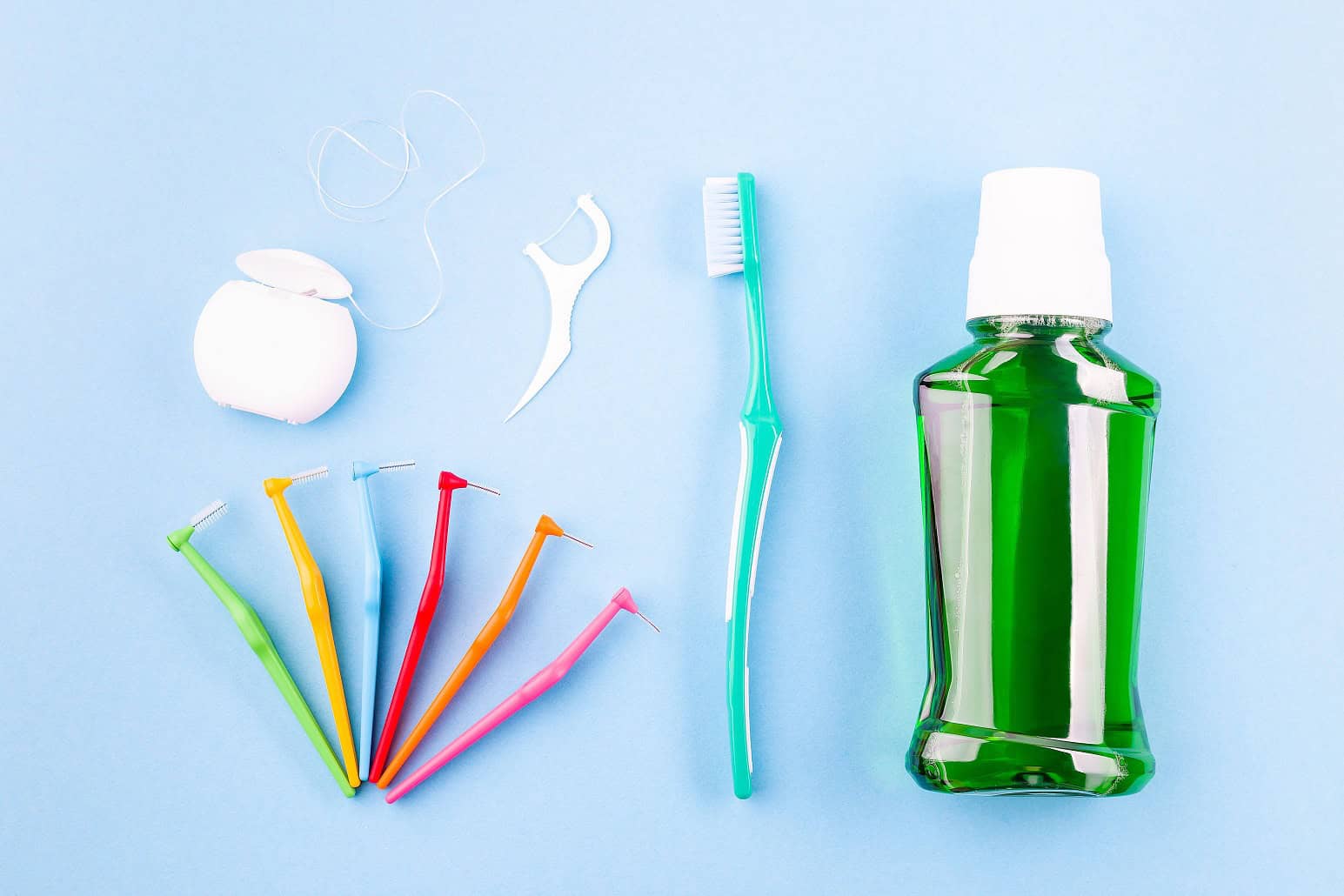
At Triangle Pediatric Dentistry, we are pleased to provide quality dental care to children with special needs. Whether your child has autism, downs syndrome, celebral palsy, muscular dystrophy, ADHD, or any other developmental or physical condition that may make dental care challenging, Drs. Hollowell and Porter are an invaluable resource. Our dentists will create a calm, welcoming environment that helps special needs children relax during dental treatments or procedures. They have the experience and resources necessary to help special needs children stay still and relaxed while they are receiving dental care.
Read More
What to Do If My Child Loses an Adult Tooth After All Dentist Offices Are Closed
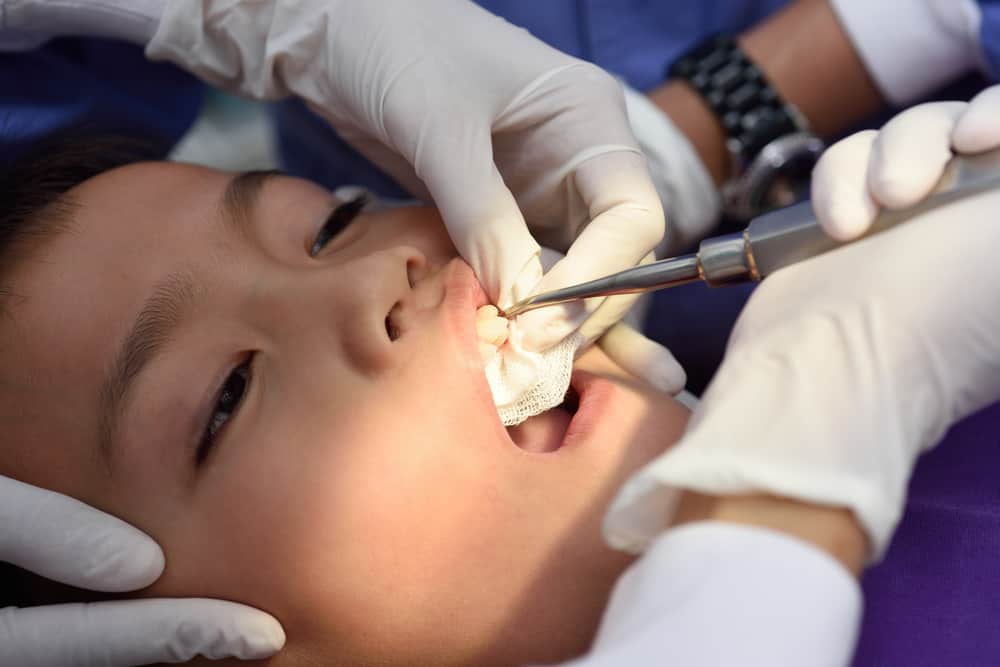
Unfortunately, dental emergencies arise out of nowhere. One day, you may find that your child has lost a permanent tooth after all dentist offices are closed.
Read More

What to Do If My Child Broke His or Her Tooth
If your child breaks a tooth, it’s best to remain as calm as possible.
Read More
All About Cavities
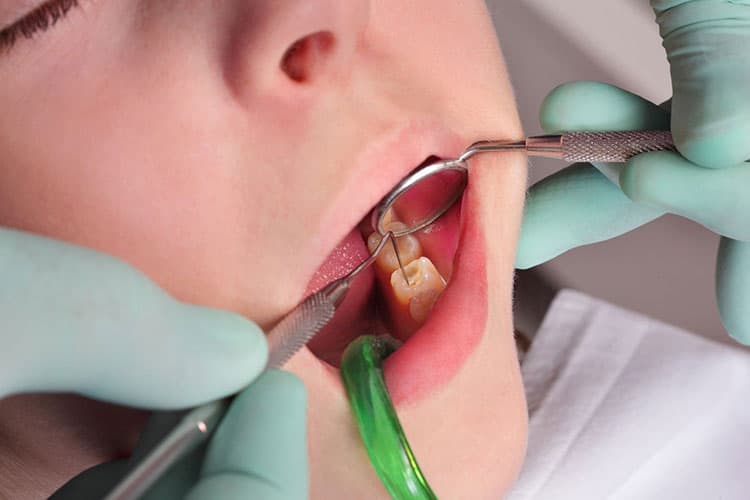
Discoloration of the teeth, sensitivity to common foods, and an obnoxious, aching pain that just doesn’t seem to go away: all due to those pesky cavities. Children suffering from cavities, or tooth decay may experience life altering symptoms that can cause them to miss countless hours of school and activities needed for a healthy lifestyle. Unfortunately, dentists will see as many as 42% of children ages 2 to 11 years old suffering from preventable dental cavities on their primary teeth. According to the U.S. Dept. of Health and Human Services, cavities are recognized as a prevalent chronic disease among children across the United States, even more so than asthma! Thankfully, tooth decay and dental cavities are preventable and treatable!
Read More
What is a Pediatric Dentist?
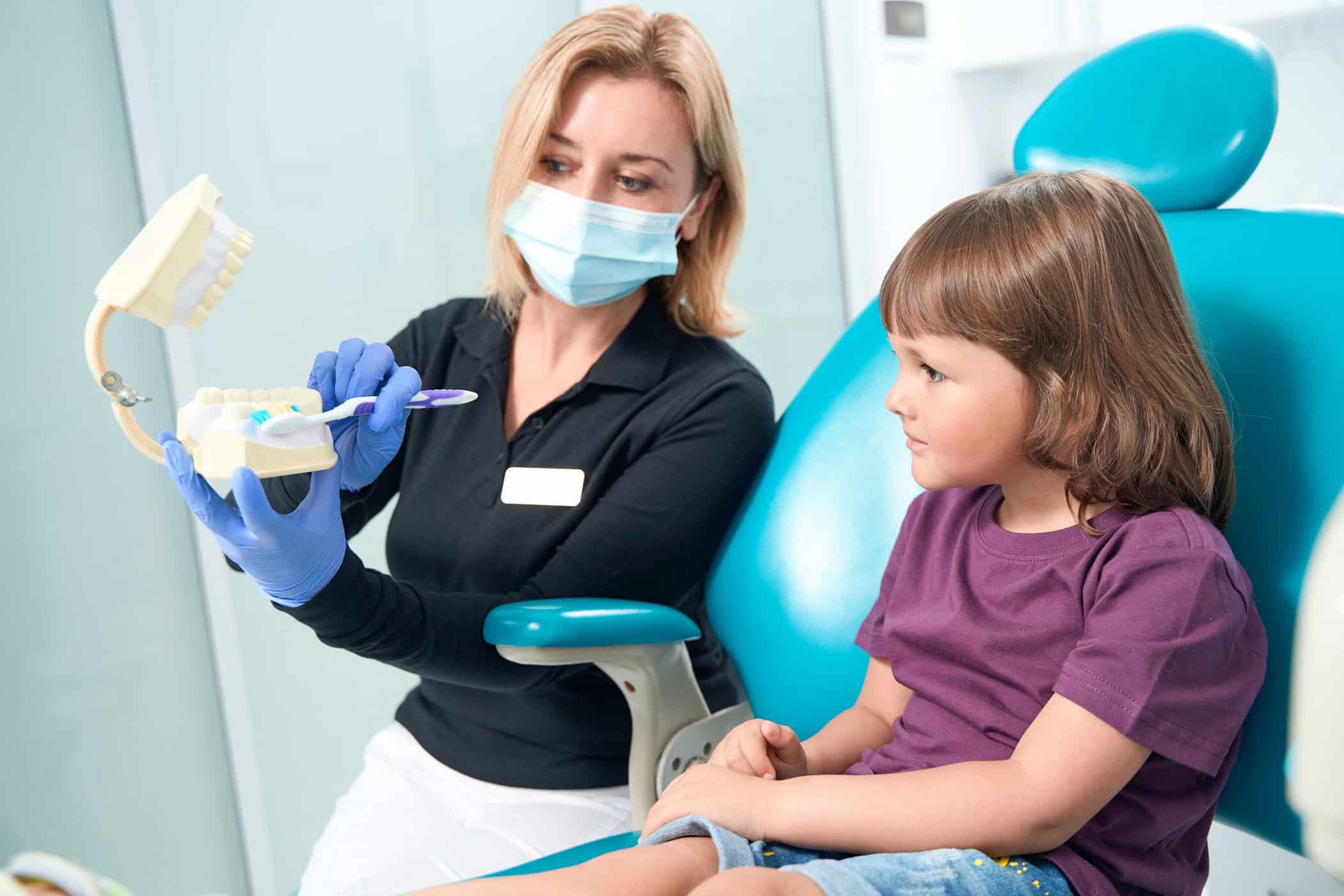
You can think of the pediatric dentist as the pediatrician of dentistry. After completing four years of dental school a pediatric dentist goes on to receive two to three more years of specialized training in meeting the dental needs of infants, children and adolescents. During residency training pediatric dentists are exposed to in depth training in managing dental emergencies in children, hospital treatment with general anesthesia, sedation dentistry, and analyzing oral growth and development. In addition, during their residency period pediatric dentists gain experience treating children with many different medical conditions.
Read More
The Ultimate Toothpaste Guide
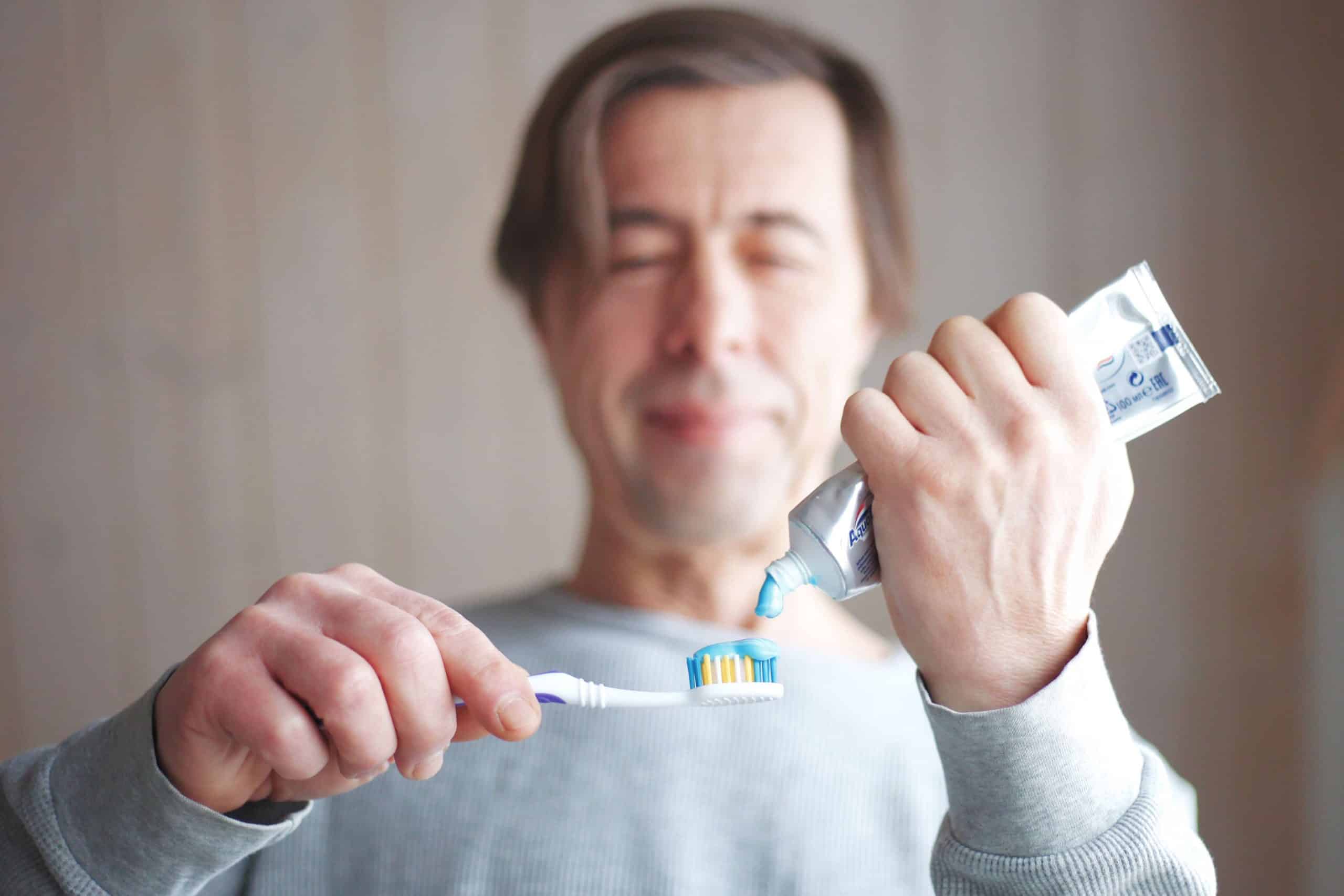
You wake up in the morning and force yourself out of bed all while begrudgingly mumbling about needing more sleep. Making your way to the bathroom, you stare yourself in the mirror. What’s the first thing you reach for? Your toothbrush and toothpaste. Toothpaste: it’s an everyday commodity. You use it at least twice a day! But how do you know you’re using the BEST toothpaste for your teeth? Everyone has a unique set of teeth with their own personal needs. Finding a toothpaste that meets those needs can be a pretty daunting task. Thankfully, there’s a vast range of toothpastes that dentists love to recommend to their patients!
Read More
.webp)
What Should I Do If My Child Hits Their Tooth? A Parent's Complete Guide to Tooth Trauma
According to recent studies by the American Academy of Pediatric Dentistry, up to 50% of children experience some form of tooth trauma before adulthood.
Read More

Signs and Symptoms To Watch
The following are signs and symptoms that you should look for in the weeks and months following a trauma that could indicate further problems with the traumatized tooth.
Read More