Why should my baby see the dentist?
Your baby should see the dentist because baby teeth play an important role from the very beginning. Even though they are small, baby teeth help with chewing, speech development, jaw growth, and holding space for the permanent teeth. They can also get cavities, and because baby teeth are smaller than adult teeth, decay can spread quickly and lead to pain, infection, or early tooth loss. Early dental visits allow our team to monitor how your child’s teeth are developing, talk through teething, review feeding and brushing habits, and help prevent small concerns from becoming bigger problems. It is also a great opportunity for parents to ask questions and feel confident caring for their baby’s smile at home.
The Benefits of Infant Dentistry
Establish A Dental Home
Fear and anxiety can occur when a toddler or child is unfamiliar with “going to the dentist”. By starting appointments early, you and your baby can get comfortable in our office, get to know our team, and feel at ease knowing we are here to provide comfortable, quality care.
Proper Nutrition Guidance
Your dentist will provide tips and recommendations on the best foods for your baby’s overall oral health. Our team will also go over important nutritional information, such as the negative effects of sugary drinks, gummy snacks, and putting a child to sleep with milk in their bottle.
Dental Hygiene Supervision
Caring for your baby’s smile is a bit different than caring for your own! We understand that it can be tough to brush their teeth, especially when they are not cooperative, but we’ll share strategies to make it fun for everyone!
The Infant Dentistry Treatment Process

Meeting You & Your Child
Your dentist will begin your child’s first appointment by getting to know you and your little one a little better. They may ask a few basic questions about your child’s oral health, such as when their first teeth came in and their current oral care routine. This information will allow your doctor to provide more tailored care.
Counting Your Baby’s Teeth
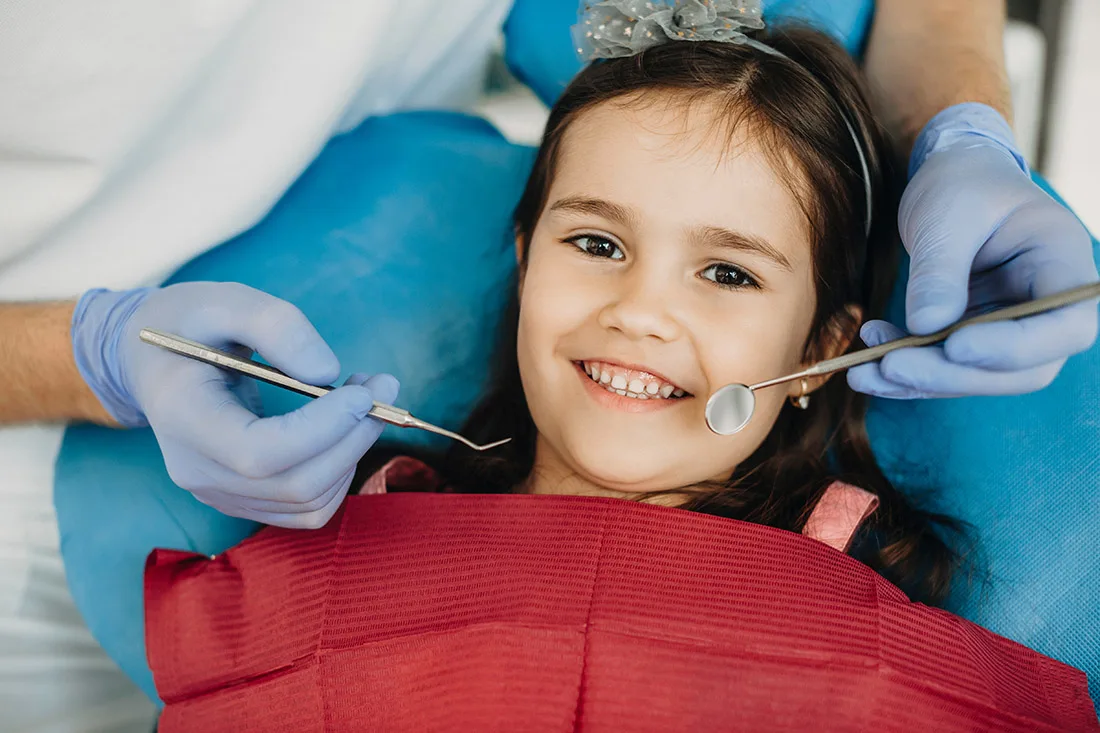
Next, your child’s dentist will “count” your infant’s teeth and examine their mouths, looking for any potential signs of developmental issues or decay. This will provide them with insights on how your child’s mouth is developing as they grow.
Examining Their Gums
Your dentist will also examine your child’s gums. While gum disease is rare in infants, inflammation and irritation can still occur, so it’s important to address these issues as soon as possible. Once the exam is finished, your dentist will discuss with you your child’s oral health and offer advice on how to keep their teeth healthy.
What makes us different
Board-Certified Pediatric Dentists
Rest assured that your child is receiving top-notch, specialized care with our Board-Certified Pediatric Dentists. To be recognized by The American Board of Pediatric Dentistry, doctors must undergo extensive training in the pediatric field in addition to their standard dental degrees.
FAQs
Frequently Asked Questions
Check out these frequently asked questions, or call us to speak with our team.
The current recommendation of the AAPD (American Academy of Pediatric Dentistry) is that you take your child to the dentist for an appointment whenever their first tooth erupts or when they reach the age of 1, whichever happens first. While this may seem early, seeing a dentist regularly and establishing a “dental home” early has a number of great benefits.
Baby teeth begin forming before birth, and the first teeth usually start to erupt through the gums around 6 to 10 months of age. The lower front teeth are often the first to come in, and most children have all 20 primary teeth by about age 3. That said, eruption times can vary quite a bit, so it is usually not a concern if your little one is a little ahead or behind.
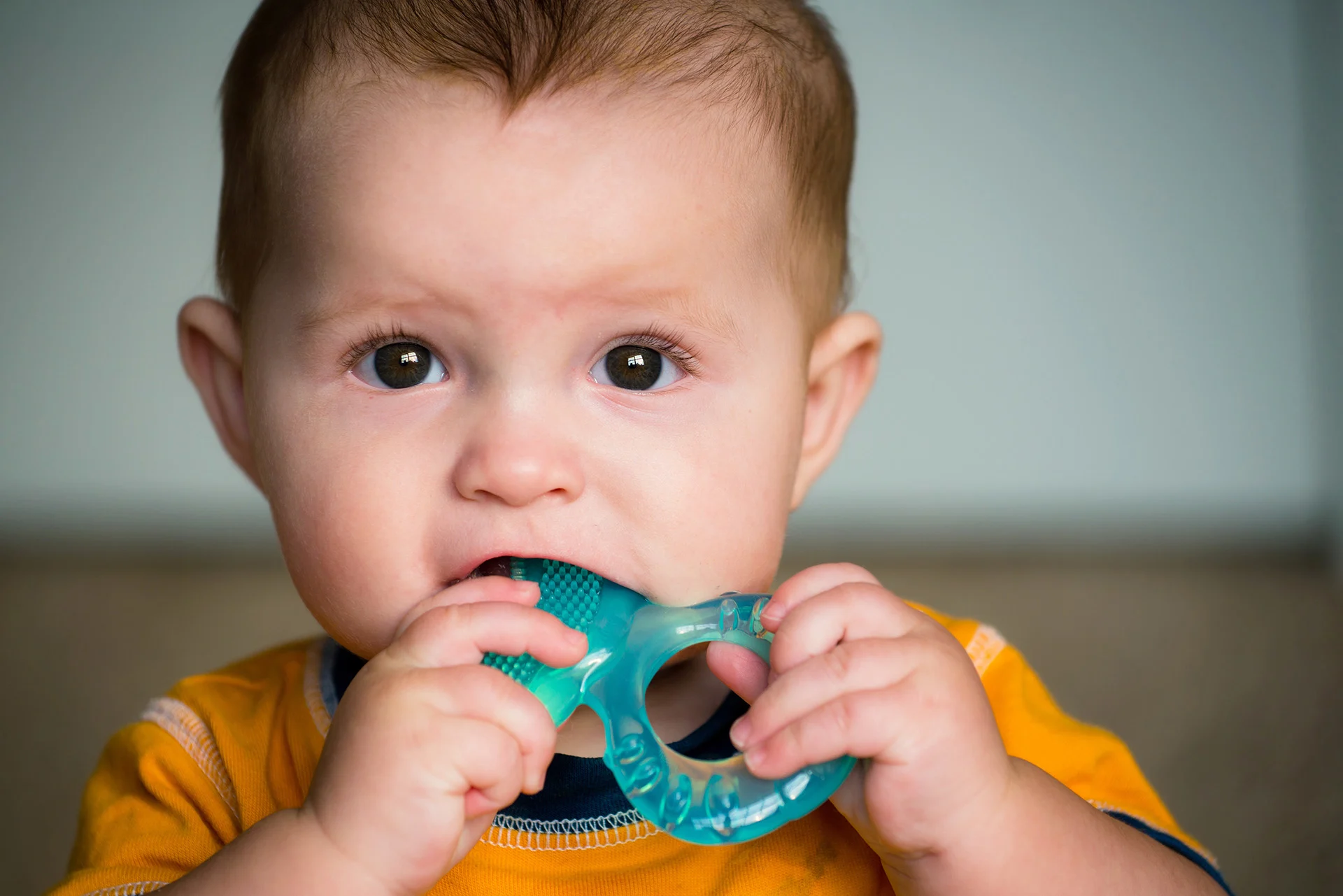
Teething can make the gums sore and may cause your baby to feel irritable or cranky. You can gently rub your baby’s gums with a clean finger or wet gauze to help soothe discomfort. A clean teething ring can also give your baby something safe to chew on. Teething should not cause a fever, so if your child has a fever while teething, it is usually unrelated and should be discussed with your child’s physician.
Baby teeth help hold space for the permanent teeth. If a back baby tooth is lost too early, the neighboring teeth can drift into the empty space, which may cause crowding, crooked permanent teeth, or even prevent a permanent tooth from coming in properly. In some cases, orthodontic treatment may be needed later. If a back tooth is lost early, a space maintainer may be recommended to help keep the nearby teeth from shifting.