Pediatric SedationIn Wake Forest
Dental visits can feel overwhelming for some children and we understand that. Sitting still for long periods, unfamiliar sounds, or fear of the unknown can make dental care challenging. Pediatric sedation helps your child stay calm, relaxed, and comfortable during treatment. It’s one of the ways we work to create positive, stress-free dental experiences that help kids feel good about caring for their smiles.
Why Should I Choose Sedation For My Child?
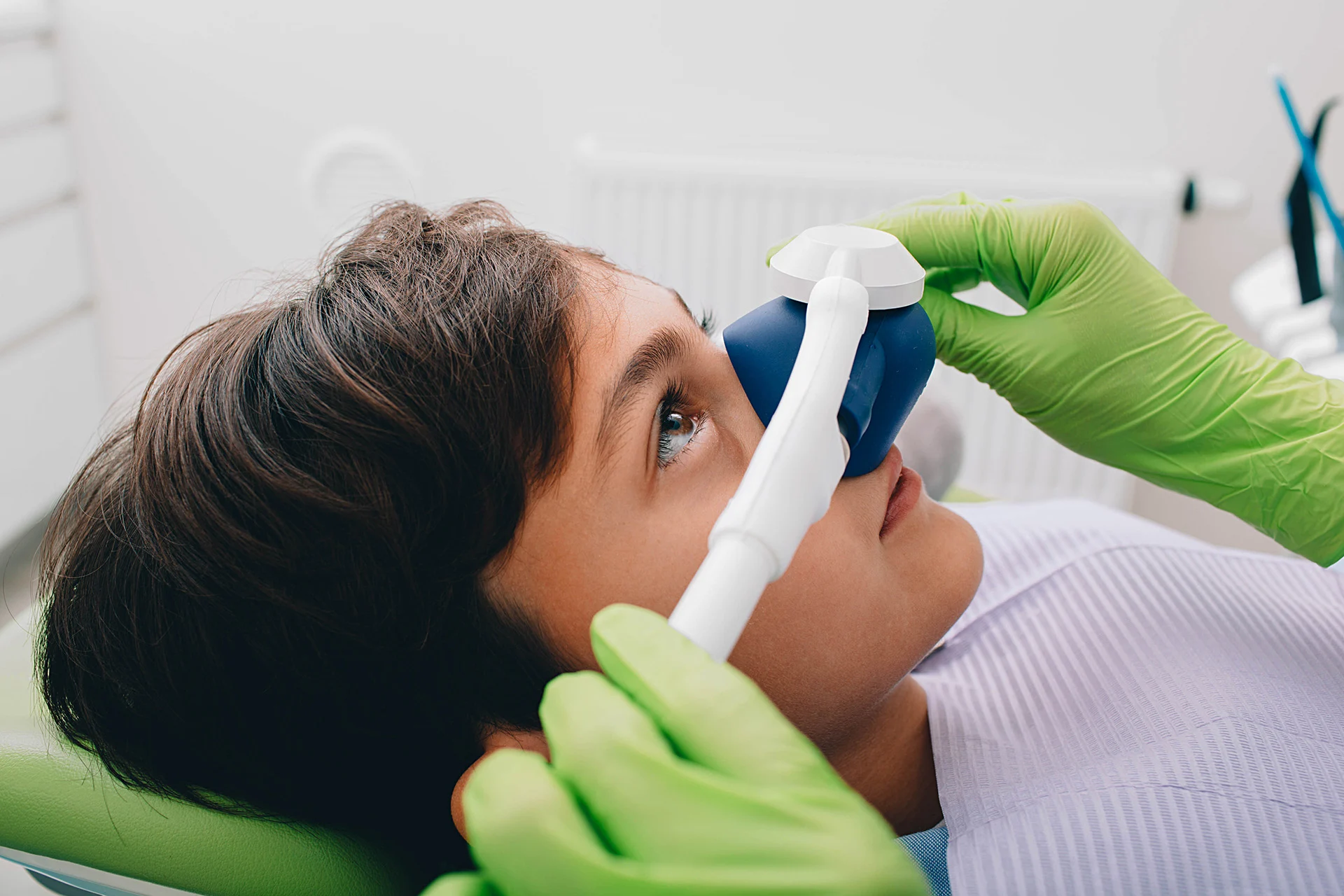
Sedation can be a helpful option if your child feels nervous, has a sensitive gag reflex, needs dental treatment, or has a harder time cooperating comfortably in the dental chair. For many children, nitrous oxide, also known as laughing gas, is a mild and safe form of sedation that helps them feel calm and relaxed while still remaining awake and able to communicate. It begins working quickly, wears off soon after the visit, and can make routine treatment such as fillings, crowns, extractions, or sealants feel much more positive and manageable.
For children with extensive dental needs, a high level of fear or anxiety, very young age, or special healthcare needs, treatment in a traditional office setting may not be the best fit. In these cases, general anesthesia with an anesthesiologist may be recommended so your child can safely sleep through treatment while all necessary dental care is completed in one visit. This option is carefully planned, performed in an appropriately equipped facility, and provided with an anesthesiologist who specializes in keeping patients safe and comfortable under general anesthesia.
Points to remember for a general anesthesia appointment:
- Two adults should accompany your child on the day of surgery, with at least one adult remaining at the facility at all times.
- Your child should not have anything to eat or drink after midnight before the procedure.
- A pre-operative physical may be required from your child's primary care provider before the appointement.
- Please notify the office if your child is sick or running a fever before surgery.
- This is typically a same-day outpatient procedure, so your child will go home later that day once they are stable, alert, and ready to leave.
- Once home, your child will likely be tired and should rest with minimal activity until the next day.
The Benefits of Pediatric Sedation
Calming Worries and Dental Fears
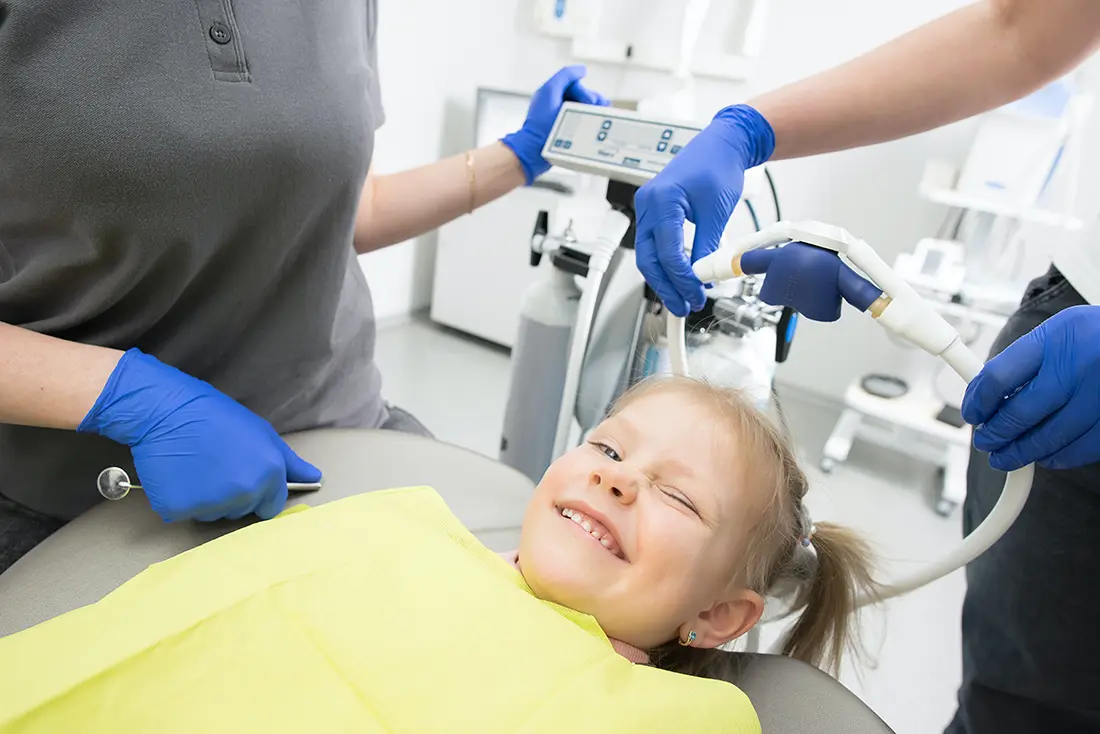
Many children feel nervous about dental visits, especially when treatment is involved. Sedation helps quiet those fears, allowing your child to feel relaxed and secure throughout their appointment instead of overwhelmed or scared.
Supporting Comfort During Treatment
Sedation works alongside local anesthesia to keep your child comfortable during dental procedures. This combination helps minimize discomfort, making treatment easier for your child and more reassuring for parents
Managing Gag Reflex and Needle Phobia
For children with a sensitive gag reflex, sedation can make dental care much more manageable, especially for treatments involving back teeth. It can also help kids who are anxious about numbing shots feel calmer and more at ease.
The Pediatric Sedation Treatment Process

Initial Consultation & Approval
Before recommending sedation, our team will talk with you about your child’s needs, medical history, anxiety level, treatment plan, and ability to comfortably receive care. Some children do well with nitrous oxide, also known as laughing gas, while others with extensive dental needs, special healthcare needs, or higher levels of fear may benefit from dental treatment under general anesthesia.

Preparation & Sedation
If nitrous oxide is recommended, it can help your child feel more relaxed and comfortable during treatment while also providing some pain control for certain procedures. Nitrous oxide is a mild form of sedation used primarily to ease anxiety rather than provide moderate sedation.
If general anesthesia is recommended, your child may need a pre-operative physical from their primary care provider within 30 days of the appointment, and they cannot have anything to eat or drink after midnight before surgery. Our team will review all instructions with you ahead of time so you feel fully prepared.

Sedation Aftercare
During nitrous oxide sedation, your child breathes through a small nasal mask, stays awake, and can communicate throughout the visit. The effects begin quickly and wear off soon after treatment with oxygen. For general anesthesia treatment, your child is safely asleep under the care of an anesthesiologist while all necessary dental care is completed in one visit. Afterward, your child will be monitored during recovery and can typically return home the same day to rest.
What makes us different

Board-Certified Pediatric Dentist
Rest assured that your child is receiving top-notch, specialized care with our Board-Certified Pediatric Dentist. To be recognized by The American Board of Pediatric Dentistry, doctors must undergo extensive training in the pediatric field in addition to their standard dental degrees.
General Anesthesia for Severe Anxiety
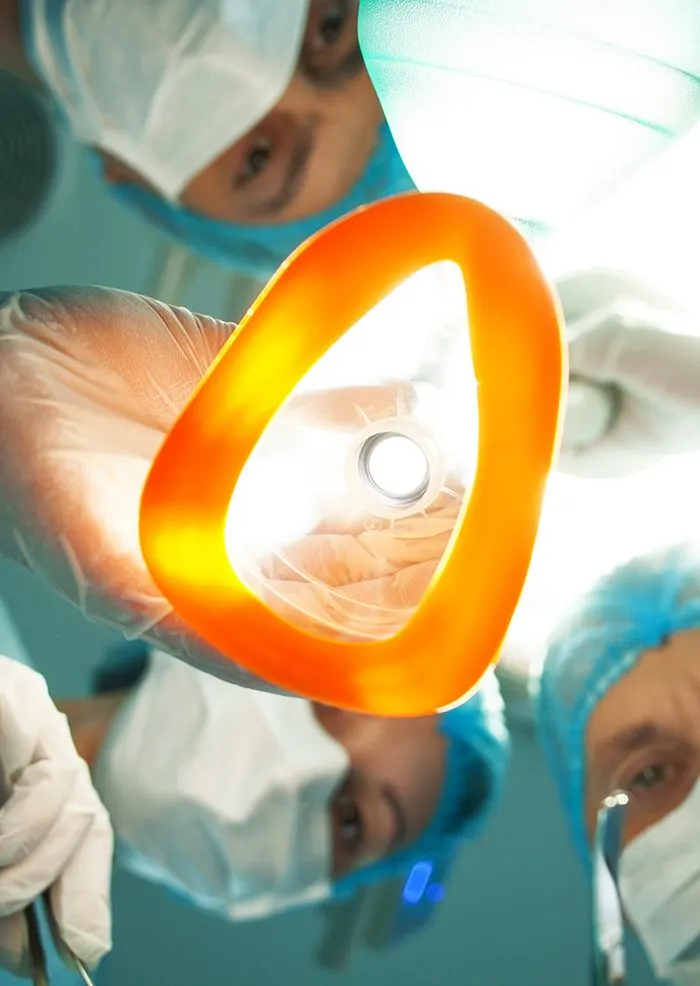
General anesthesia is usually reserved for only the most invasive dental surgeries, as it requires the use of a ventilator to help patients breathe. The primary benefit of general anesthesia is that it will render your child completely unconscious, they will not feel anything or remember anything about their treatment.

IV Sedation Available
IV sedation is administered by a pediatric anesthesiologist who comes to our office for these procedures. Our doctors do not administer the anesthesia themselves. Delivered directly into the bloodstream, IV sedation helps your child reach a deeper state of relaxation and may be recommended for children with significant anxiety, special healthcare needs, or more complex treatment. Your child may fall asleep during treatment but can still be awakened and respond to instructions.

Laughing Gas for Little Smiles
The most mild form of sedation, nitrous oxide, also known as laughing gas or minimally inhaled sedation, is a safe way to ensure your child stays relaxed during their treatment.
FAQs
Frequently Asked Questions
Check out these frequently asked questions, or call us to speak with our team.
Sedation helps children feel calm and cooperative during dental visits. It’s especially helpful for kids who experience anxiety, have difficulty sitting still, or need more involved procedures. Sedation allows treatment to be completed safely and comfortably.
Sedation may be a good option for children who are generally healthy and do not have conditions that could interfere with sedation. During a consultation, we’ll review your child’s health history and discuss the safest, most appropriate options. This personalized approach ensures your child receives care that’s tailored to their comfort level, anxiety, and treatment needs.
Each type of sedation feels different. Nitrous oxide (laughing gas) helps children feel relaxed while remaining fully awake. IV sedation often makes children drowsy or sleepy, and they may remember little of the procedure. General anesthesia places your child fully asleep and unaware during treatment.
IV sedation and general anesthesia are administered by a pediatric anesthesiologist who comes to our office for these procedures. Our dentists do not administer the anesthesia themselves. Instead, they work alongside the pediatric anesthesia team so your child’s dental care and anesthesia are each managed by the appropriate provider throughout treatment.